Bridging Minds, Machines, and the Grand Universe
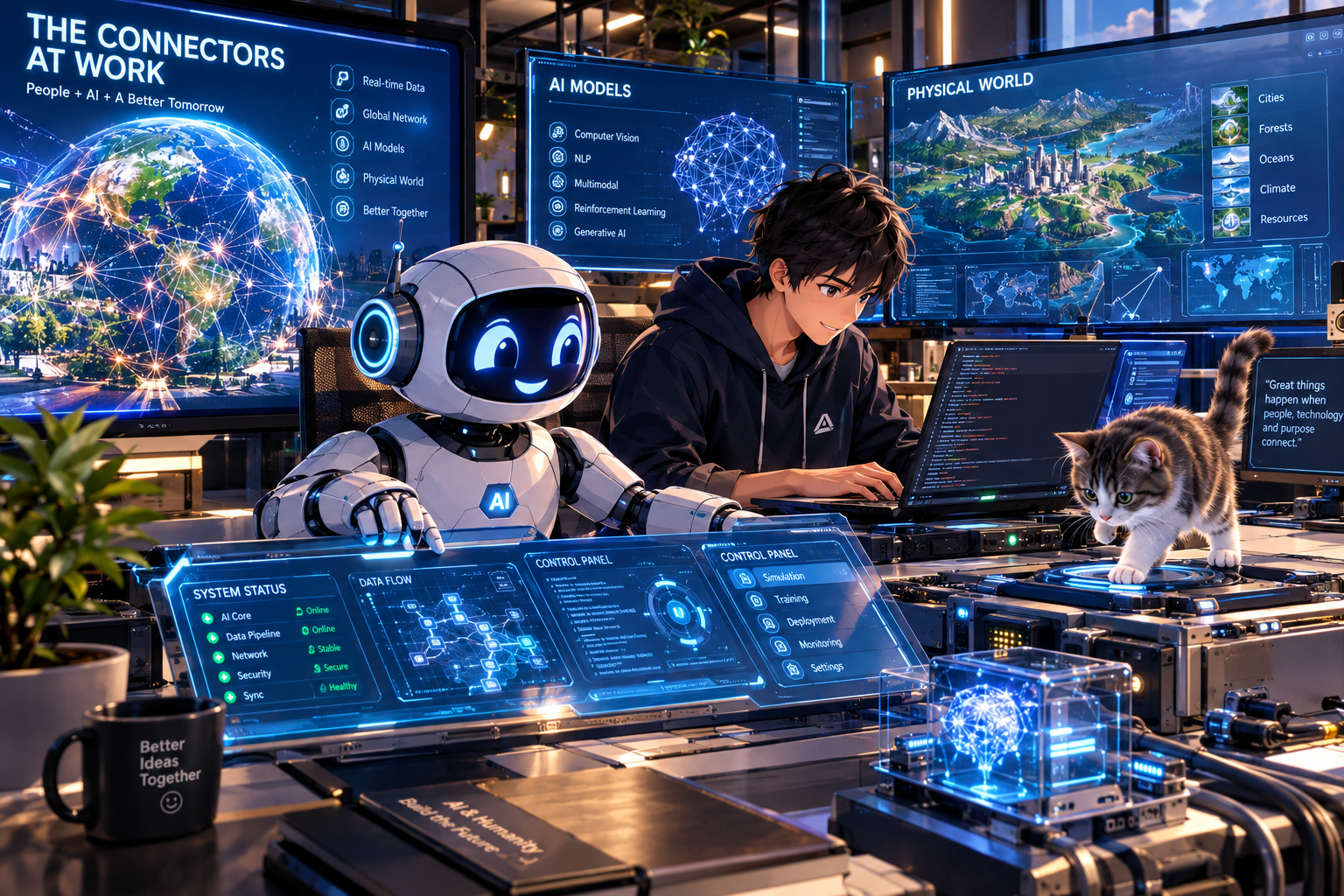
The modern era sees Altman and Huang not just as tech giants but as "Connectors" who bridge different domains: Mind, Machine, Universe
but with Energy Constraints, Data Limitations and Regulatory Concerns.
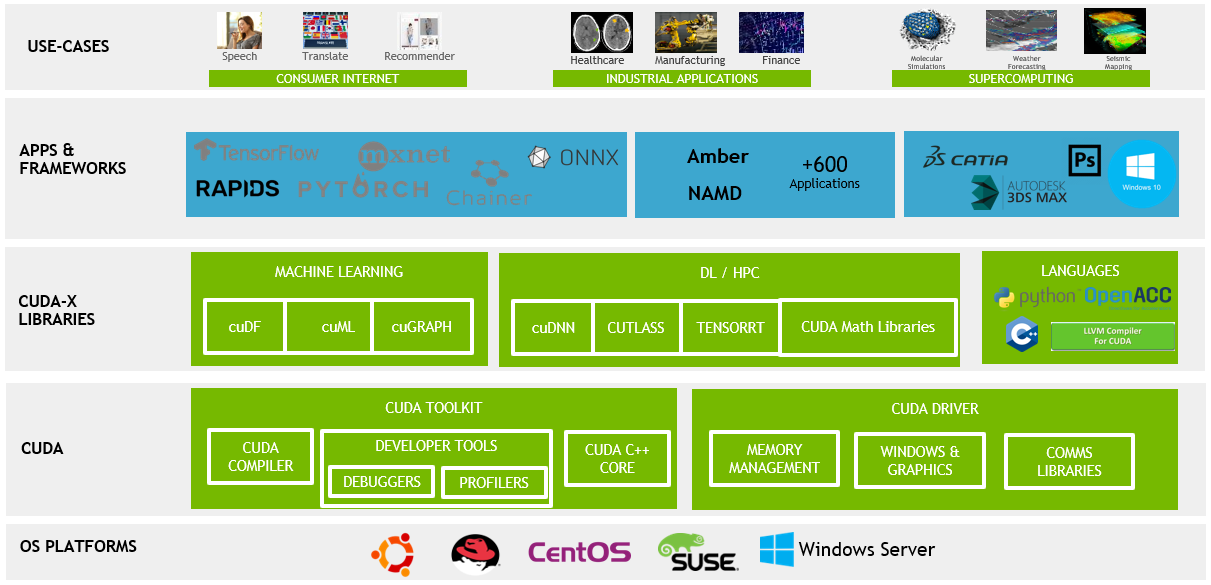
In today's rapidly evolving technological landscape, pioneers in AI like Sam Altman of OpenAI and Jensen Huang of NVIDIA are not just building applications; they're architects of ecosystems that connect human cognition, machine intelligence, and the physical universe. This thesis introduces a new paradigm: The Connectors.
Machines and humans can communicate seamlessly, where artificial intelligence (AI) can understand the complexities of our physical reality as well as our intricate thoughts. That's the vision driving pioneers like Sam Altman and Jensen Huang. Their work transcends mere application development; they're building bridges that connect human minds with machine logic and the vast expanse of the universe.
The Historical Context
To truly appreciate today’s advancements, let's revisit history. In the late 1960s and early 1970s, scientists were brimming with excitement over the possibilities AI offered. They had the mathematics in place and a grand plan to infuse "mathematical brains" into physical robots. However, this era became known as the "AI Winter," marked by funding cuts and research stagnation due to three significant bottlenecks: computational power limitations, lack of data, and theoretical setbacks.
Modern Innovations
Fast forward to today, pioneers like Altman and Huang have built robust infrastructures that address these historical shortcomings. NVIDIA's GPU clusters and CUDA platform enable lightning-fast computations once thought impossible. The vast digital library available online provides an endless source of training data for AI models, allowing them to learn from the entire history of human civilization.
The New Paradigm: Connectors
The modern era sees Altman and Huang not just as tech giants but as "Connectors" who bridge different domains:
1️⃣Mind: They focus on aligning AI with human thought processes, creating systems that understand and respond to human needs.
2️⃣Machine: By improving computational power and optimizing machine learning algorithms, they ensure machines can handle complex tasks efficiently.
3️⃣Universe: Their work extends beyond mere simulations; it involves understanding the physical laws governing our universe.
Challenges Ahead
While we've made significant strides, new challenges loom large:
☑️Energy Constraints: The massive computational power required for training AI models is straining energy resources globally.
☑️Data Limitations: With most human-generated data already absorbed, synthetic data risks creating an echo chamber, potentially leading to model collapse.
☑️Regulatory Concerns: Issues like copyright infringement, deepfake concerns, and job displacement fears may lead to stringent regulations that could throttle innovation.
The Future of Connectors
Despite these challenges, the Connectors' vision remains clear: a seamless integration of human intelligence, machine capabilities, and universal understanding. They recognize the need for sustainable growth, focusing not just on size but also on efficiency, safety, and ethical considerations.
In conclusion, as we navigate through this new era of AI development, the pioneers like Altman and Huang stand at the forefront, guiding us towards a future where technology is not just a tool but an extension of our collective intelligence. By continuing to build robust infrastructures and addressing emerging challenges head-on, they are paving the way for a connected world where minds, machines, and the universe converge in harmony.
Copyright 2026 All rights reserved